閱讀繁體中文版
A reconnaissance aircraft develops a communications connection problem, disappears from radar and is later confirmed to have crashed. Does that sequence already explain the cause?
Japan's latest RQ-4B Global Hawk incident illustrates an important distinction: confirming an outcome and establishing its cause require different evidence. This article examines how to read public updates, not how to conduct the accident investigation.
Confirmed facts: separate the event date from the report date
In its third report, published on September 16, 2026, Japan's Air Staff Office confirmed the crash of a Misawa-based RQ-4B. The report records a communications connection problem after 12:55 on September 15, followed by loss of the radar track at about 12:58, approximately 50 km north of Tottori Prefecture. Photographs taken by the Japan Maritime Self-Defense Force vessel Hayabusa led to identification of the floating wreckage at about 19:50. These are Japan local times, UTC+9, not Taiwan local times.
The same report leaves the suspected cause under examination. Its statement that no external damage had been reported as of 00:00 on September 16 is a time-bounded status update, not a guarantee concerning every subsequent impact.
Reuters' September 15 report used the earlier assessment of a presumed crash and reported floating debris. That reporting is useful as a record of what was known then. It should neither replace the later official confirmation nor be rewritten as though confirmation had existed from the outset.
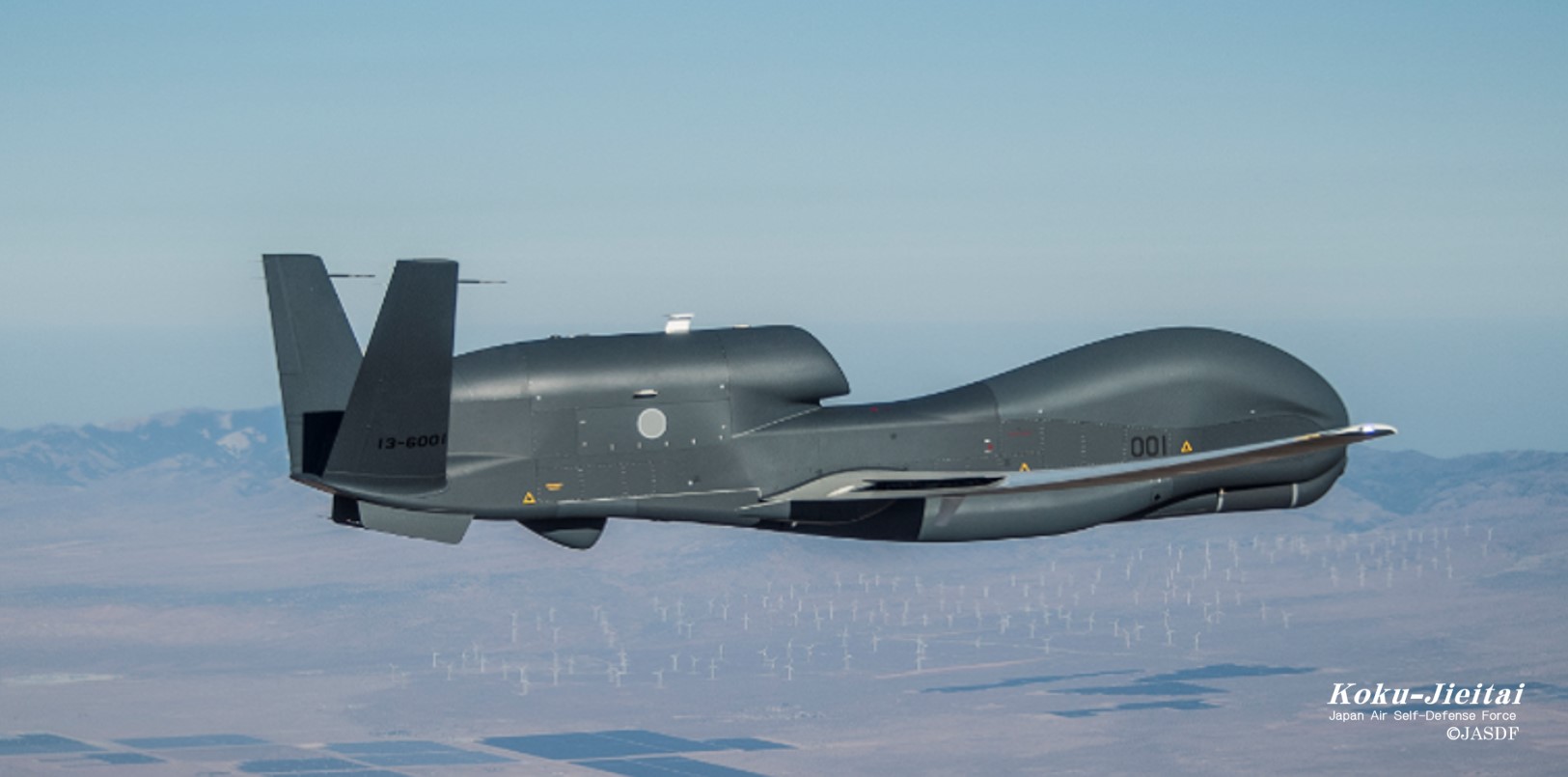
Reference photograph from JASDF's equipment page. It is not the accident scene and is not used to identify the aircraft involved in this incident.
Context: a timeline can contain different kinds of evidence
JASDF describes the RQ-4B as a high-altitude, long-endurance unmanned reconnaissance aircraft. That role and its published specifications do not establish what happened on a particular flight. They cannot replace the records and investigation relevant to that flight.
The public sequence contains distinct elements: a reported communications problem, a loss of an observed radar track, and subsequent identification through photographs. Placing those observations in chronological order does not prove a complete causal chain.
KTT Tactical Observation
1. Keep observation separate from causation
“B followed A” describes order. “A caused B” makes a different claim, requiring evidence that can address competing explanations. Equipment discussions become less useful when the first reported anomaly is immediately treated as the root cause. Once that happens, later information can be read merely as support for an assumption already made.
2. Update the conclusion without losing its timestamp
A change from presumed to confirmed reflects additional evidence. A professional briefing should identify what changed, the basis for the change, and what remains unresolved. Replacing a word in a headline without retaining the report date allows incompatible versions to circulate as if they describe the same knowledge state.
3. Do not turn an accident headline into a procurement verdict
For brands, suppliers and procurement teams, the proportionate next step is to define questions for subsequent evidence. Will investigation findings be published? Will inspection or corrective measures be announced? To which configurations and conditions would those findings apply? These are general questions proposed by KTT, not claims that such measures have already been taken in this case or judgments about the organizations involved.
4. Give uncertainty a place in the briefing
A short internal note can distinguish confirmed information, open questions and conclusions the evidence cannot support. The third category matters: one incident is not a complete reliability assessment, and information not publicly disclosed should not be described as work never performed. Recording uncertainty leaves room for new evidence instead of allowing assumptions to become inherited facts.
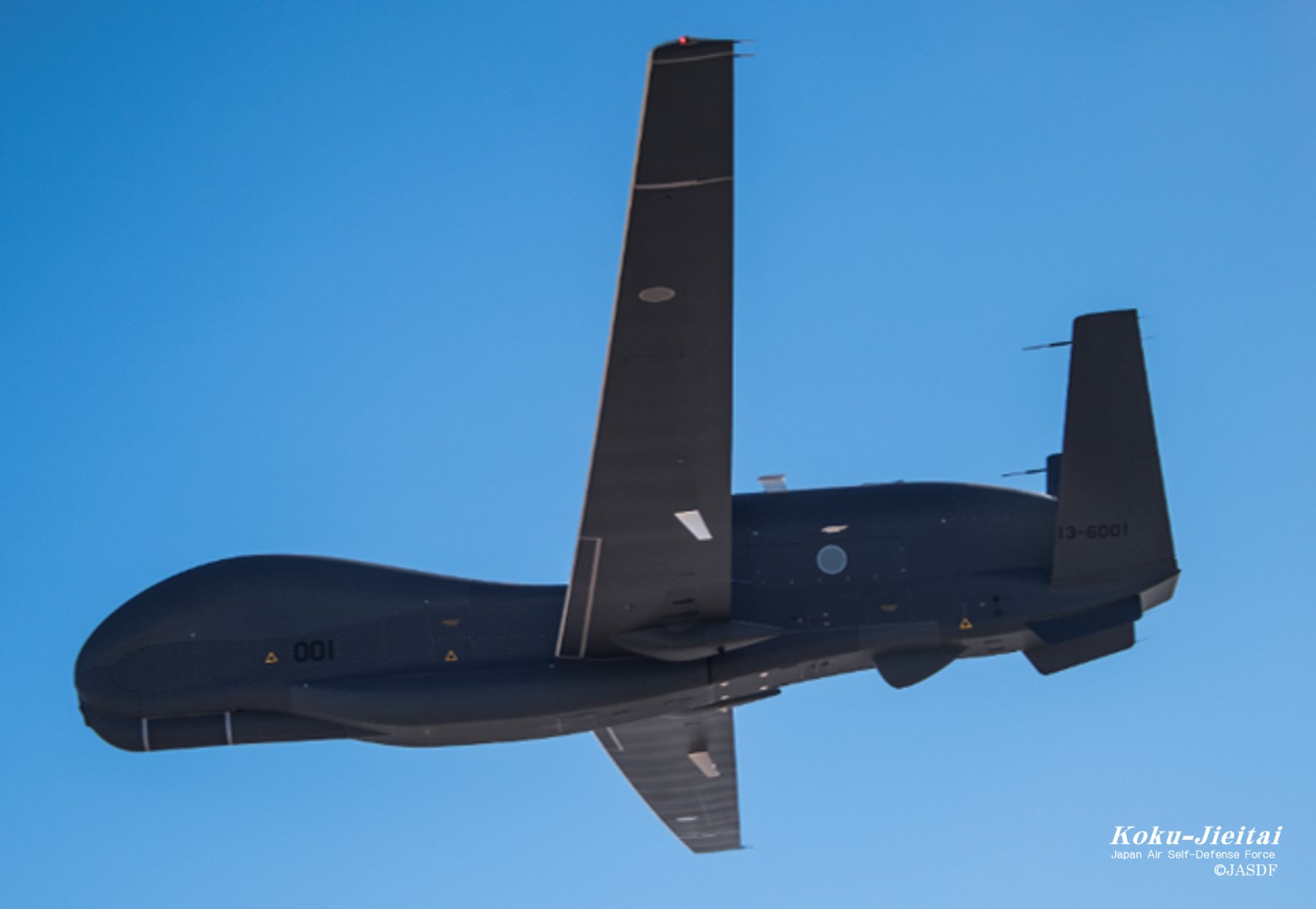
Aircraft-type reference image, not the incident, a failure sequence or the mission in question. No causal conclusion is drawn from the flight attitude pictured.
Potential implications and limits
Further official updates may change details, impact assessments or response information. This article does not speculate about interference, cyberattack, mechanical failure, personnel responsibility or undisclosed missions. It is not flight instruction or an accident-response guide.
The available material supports a discussion about evidence handling. It does not support calculating a fleet accident rate, quantifying a reconnaissance capability gap, or ranking a country, unit or manufacturer. Such comparisons would require an appropriate investigation and comparable data.
This week's discussion
When reading an equipment-incident summary, which addition would help you most?
- A — Separate timestamps for the event and the report
- B — A clear boundary between confirmed facts and open questions
- C — Links to the original documents and subsequent updates
Which would do the most to prevent a premature conclusion, and why?
Sources and image credits
Photographs: Japan Ministry of Defense / JASDF, used under its website terms and Public Data License 1.0. Cover layout and added text by K.T.Tactical. These are reference photographs, not the crash scene. Their use does not imply endorsement by the source agency. Sources checked September 16, 2026.


