KTT Tactical Viewpoint | 009 | More Firepower, More Coordination? Safety Interoperability at Super Garuda Shield 2026
When rocket artillery, fighter aircraft and attack helicopters enter the same multinational live-fire exercise, is the hardest task bringing the weapons to the range—or ensuring every unit operates under a shared safety, communications and command framework?
Super Garuda Shield 2026 offers a useful case. Interoperability is not only the ability to field different systems together. It also depends on aligning procedures, technical limits and cease-fire authority before firing begins.
Confirmed facts
The Indonesian National Armed Forces reported that Super Garuda Shield 2026 runs from 31 August to 11 September, involving 4,743 personnel from 21 countries, with objectives that include improving joint readiness and multinational interoperability.
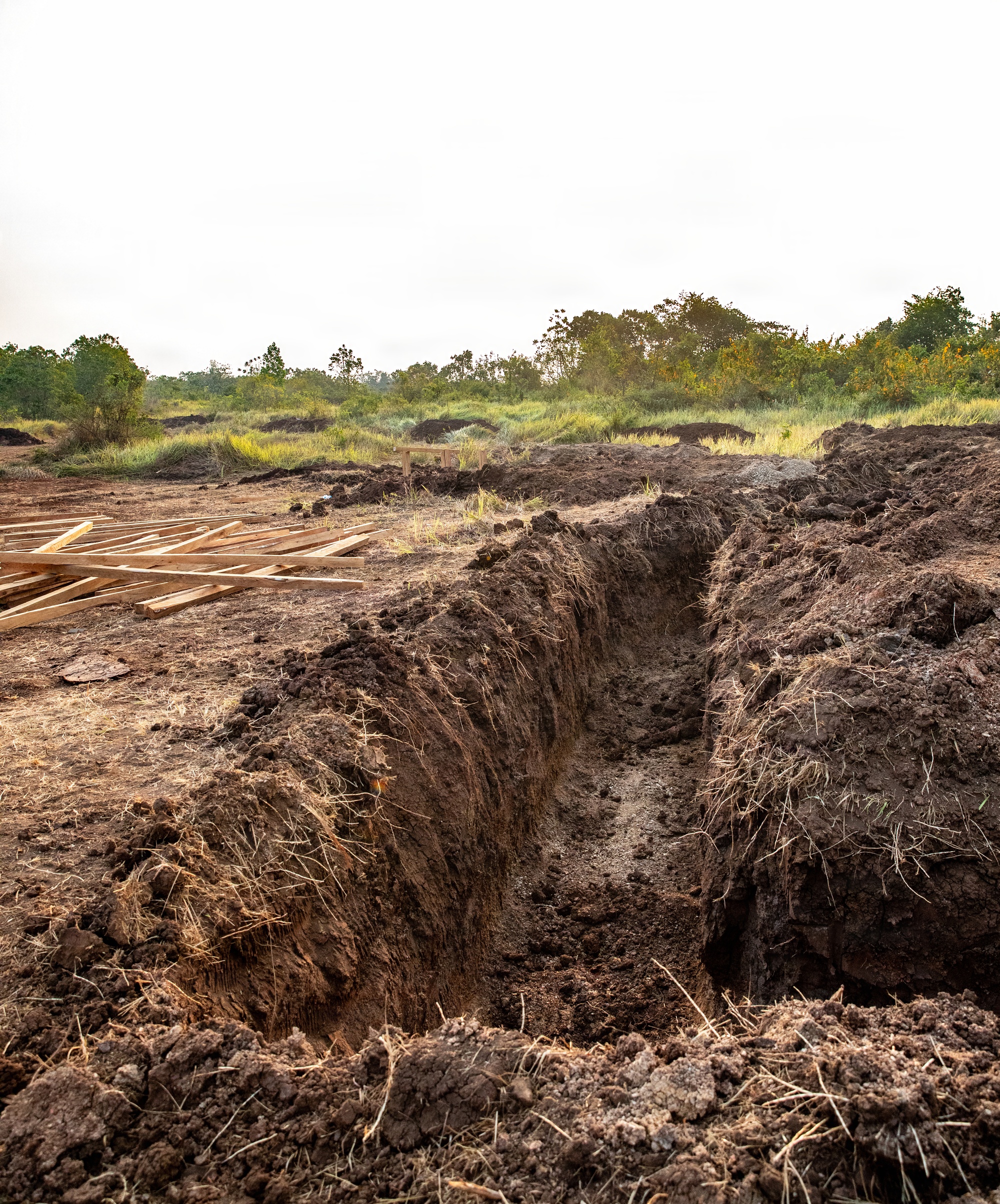
On 3 September, the U.S. Army and DVIDS reported that U.S. and Indonesian forces prepared for the 4 September joint land strike at Baturaja by clearing vegetation, constructing firebreaks, improving emergency access and staging Indonesian fire engines alongside U.S. water equipment. Fire risk was monitored throughout the event, and anyone on the range could call a cease-fire if an unsafe condition was observed.
A follow-up report published on 8 September stated that the live-fire events on 4 and 7 September integrated U.S. HIMARS, Indonesian ASTROS II Mk6 and RM-70 Vampire rocket systems, Indonesian F-16s, and U.S. and Indonesian AH-64 attack helicopters. Units rehearsed repeatedly to align procedures, technical requirements and operational methods.
U.S. Army photo by Sgt. Isaac Copeland | 2 September 2026
Context
The complexity of multinational fires is not simply the number of weapon systems involved. Different forces may use different command terms, communications formats, firing procedures, safety distances, airspace coordination methods and emergency standards. Unless those interfaces are translated into a common process, advanced equipment may still be difficult to integrate safely.
The season and terrain also created wildfire risk. Preparing roads, firebreaks and water resources demonstrates that environmental control and rescue access are part of live-fire design, not administrative details added after firing starts.
KTT Tactical Viewpoint
1. The first layer of interoperability is knowing when to stop
Multinational coordination is often presented as multiple systems firing together. Shared cease-fire authority is a more direct test of whether a common safety culture works. If authority, terminology and communications paths are unclear, a cease-fire rule exists only on paper.
2. Engineering and logistics are part of the firepower system
Vegetation clearance, firebreaks, road access, firefighting and water support are less visible than launchers or aircraft, but they determine whether training can continue. Designing safety into the plan reduces interruption, accidents and resource loss.
3. Rehearsals expose interface problems
Systems and procedures do not become compatible simply by arriving at the same location. Rehearsals reveal gaps in timing, target confirmation, airspace control, communications and responsibility before those gaps become hazards.
4. Safety interoperability is combat capability
The ability to coordinate predictably in a complex environment increases the chance that force can be applied effectively. Safety and capability are not opposites; uncontrolled fires cannot produce reliable combined operations.
Implications and limits
Official releases confirm the safety preparations, rehearsals and live-fire events. They do not establish complete wartime effectiveness. Public reporting also does not provide all incident data, internal after-action findings or an independent evaluation, so it cannot show that every coordination problem was resolved.
This case is therefore best used to understand how multinational training incorporates risk management, engineering support and common procedures into fire integration—not to draw a comprehensive conclusion about any weapon system or national force.
Discussion
If you could improve only one condition for multinational live-fire coordination, which would you choose?
A. Common communications and terminology
B. Cease-fire authority and safety procedures
C. Airspace and firing-sequence management
D. Engineering, firefighting and emergency access
Primary sources
Indonesian National Armed Forces, “Latgabma Super Garuda Shield Ke-V Tahun 2026 Resmi Dibuka”, 1 September 2026.
U.S. Army / DVIDS, “U.S., Indonesian forces add wildfire safeguards ahead of Super Garuda Shield joint land strike”, 3 September 2026.
U.S. Army / DVIDS, “U.S., Indonesian forces conduct joint land strike during Super Garuda Shield 2026”, 8 September 2026.
Image credit: U.S. Army photo by Sgt. Isaac Copeland, VIRIN 260902-A-XM592-9865. Information checked: 10 September 2026. Official information may be updated.